

Most people don’t put off estate planning because they think it doesn’t matter. They put it off because nothing feels urgent, life keeps moving, and there always seems to be time to deal with it later. When no plan exists, good intentions are not enough. Banks follow their own rules. Medical providers look for written […]
Blog
Smart Options for Your RMDs
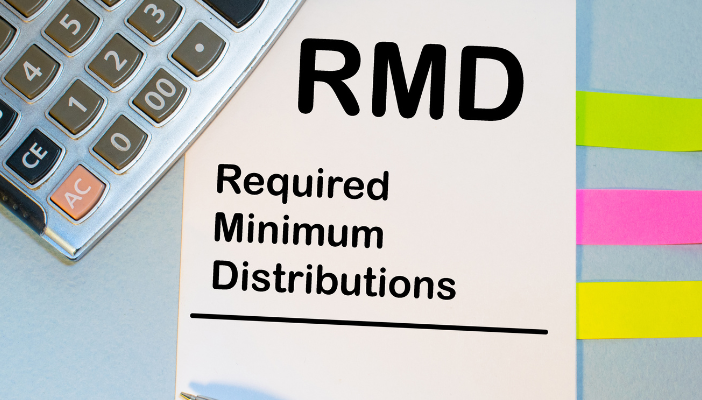
You should be aware that if you hold an IRA or are enrolled in a retirement plan, you are obligated to start taking the required minimum distribution from these accounts in the year you turn 73. How much you will withdraw is calculated by dividing the prior Dec. 31 balance by your life expectancy. […]
Legacy Planning for Grandchildren: Passing on Family Values, History, and Heirlooms

Grandparents in Petaluma often think about legacy in terms that reach far beyond money. Financial gifts help, but the deeper legacy lives in the values you lived by, the stories you carried, and the heirlooms that connect generations. When those pieces are organized with intention, your grandchildren inherit more than assets. They inherit identity. Legacy […]
True or False: If I’m Incapacitated, My Spouse Can Automatically Decide for Me?

The answer to that is false. Because in fact, if you become incapacitated, it is not automatic that your spouse would be able to step in and make all financial and medical decisions on your behalf. Just being married doesn’t necessarily mean your spouse can do that. You really need to make sure that […]
Estate Planning Is Not One-and-Done

Estate plans benefit from regular checkups. Many people review their plans after a major life event; it’s also good practice to review your plan annually. We recommend at least every three to five years, in the absence of such events. These reviews help ensure that your documents still reflect your wishes while remaining effective […]
That Would Never Happen: The Most Dangerous Words in Estate Planning

One of the most common—and dangerous—phrases in Estate Planning is “that would never happen.” This article explores how assumptions about family dynamics, relationships, and behavior often lead to unintended conflict, litigation, and failed plans. By examining where these assumptions break down, both attorneys and families can build Estate Plans designed to withstand real-world challenges.
See Larger Map Get Directions